Weighted Vest vs Rucksack: Which Is Right for Your First Ruck?
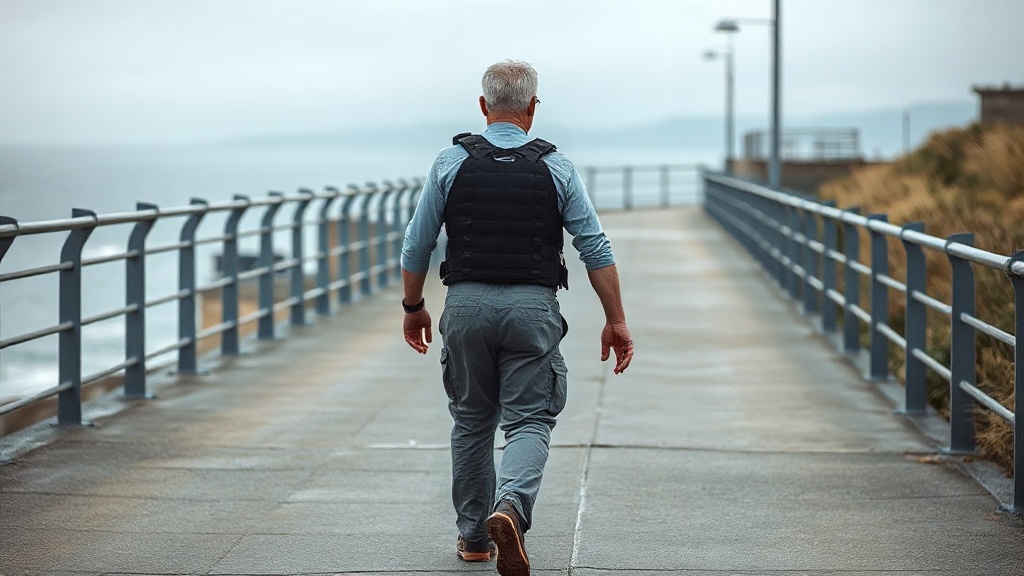
A cheap adjustable vest costs less than a decent pair of trainers. A properly kitted-out rucksack setup—pack, ruck plate, a hip belt that’s actually fitted rather than just worn—can run past £300 before you’ve walked a single mile in it. That gap is the real reason this decision matters more than most beginner gear questions: get it wrong and you’ve either sunk money into capacity you don’t need yet, or bought a vest that was never going to do the one thing a longer walk demands of it.
This isn’t really about which one looks more serious on the shelf. Vests and rucksacks do fundamentally different jobs, and picking the wrong one is how you end up with shoulder ache after half a mile, or a rucksack that lives in the cupboard because you never learned to pack it properly. This article isn’t a feature list—it’s the mechanical reason why one of these is almost always the smarter, cheaper starting point for a UK beginner with no military background and a limited budget.
The Core Difference: Stability vs. Capacity
A weighted vest is a load-distribution device. It sits against your torso and spreads weight across your shoulders, chest and back—the load moves when you move, because it’s strapped directly to you. A rucksack is a container. You put things in it, close it, and carry it. The critical difference is what happens between those two steps: a rucksack’s load has to be packed correctly to stay stable, and if it isn’t, it shifts with every stride.
The result is the “bouncing” problem. Picture a heavy backpack on a morning walk. With each step, the pack swings slightly forward and back, independently of your body. That pendulum motion—rotational torque—pulls at your shoulders and spine, and it never fully settles because the load sits away from your centre of mass. A weighted vest eliminates this entirely. The weight is close enough to your body that it moves as a single unit with you. No swing, no torque, no compensating with your lower back.
Owners who have used both frequently report this distinction without needing to understand the physics: the vest feels “locked on” after a mile or two, while a backpack can feel like it’s pulling at the shoulders even when fitted correctly.
The trade-off is capacity. A vest holds weight, not much else. A rucksack holds your water, food, layers, and everything else you need for a longer day out. The weighted vest wins on stability because it keeps the load close to your centre of mass; the rucksack wins on capacity for water and food.
The Mechanics of Load: Why Stability Matters
Here is the bit that matters most if you’re just starting out. Your centre of mass is roughly halfway between your shoulders and your hips. When weight sits close to that point, your body has to do very little extra work to stay balanced—you’re essentially just carrying a heavier version of yourself. When weight sits away from it, your body must constantly correct for the imbalance, which is where fatigue and shoulder strain come from.
A vest keeps the load directly on your torso. A rucksack puts it behind your back, often lower than your shoulders, which means every step creates a small rotational force that your core has to fight. Get the packing wrong—heavy items at the top instead of the bottom, loose kit shifting around—and that force compounds. The load becomes a pendulum, and you’re the post it’s swinging from.
This is why beginners tend to report shoulder pressure and chest restriction with vests at higher loads, but rate rucksacks as more comfortable for hip-belt support on longer sessions. The vest distributes load directly to the torso, which engages your core more effectively but can feel restrictive above a certain weight. The rucksack, when packed well, moves a significant portion of the load onto your hips—but only if the hip belt is doing its job and the pack is fitted properly.
The other practical rule worth knowing is the 10% guideline: most sources suggest starting with around 10% of your body weight. If you weigh 80kg, you’re looking at roughly 8kg to begin with. That’s not a hard rule carved in stone, but it’s a sensible anchor that keeps the loading stimulus meaningful without overstressing joints and tendons in those first weeks. The point is building gradually, not jumping straight to a heavy load because it looks impressive on social media.
So here’s the call for most beginners on UK roads and local trails, and it comes down to what you’re actually paying for—in cash and in effort. A cheap adjustable vest is the lower-cost, lower-skill entry point, full stop. You’re not just saving money upfront; you’re skipping the packing technique and the correctly-fitted hip belt a rucksack demands before it stops bouncing and starts working properly. Get either of those wrong on a rucksack and you’ve paid for gear that’s actively fighting you. A vest doesn’t have that failure mode built in, because the weight sits close to your centre of mass from the moment you put it on.
Now you know what to look for—Get the Free First Ruck Gear Checklist to see the side-by-side comparison before you spend anything.
When to Choose a Rucksack (The Flip Side)
There is a clear scenario where a rucksack wins, and it’s worth knowing it now so you don’t write them off entirely.
If you’re planning walks over 10 miles, multi-day expeditions, or sessions where you need to carry water, food, layers, and kit beyond a phone and keys, a rucksack is the right tool. The hip belt on a properly fitted rucksack can move a significant portion of the load onto your pelvis—which matters enormously over longer distances, because your legs do the work and your hips bear the weight rather than your shoulders taking it all.
The trade-off is technique. A rucksack only works properly when it’s packed well: heavier items low and close to the back, lighter items on top, everything compressed to reduce internal shifting. Get this wrong and you’ve recreated the bouncing problem at speed, with the added bonus of a hip belt that digs in because the load isn’t sitting correctly against it. The rucksack demands a skill that the vest doesn’t: packing technique.
The switch-over checklist is straightforward. Choose a rucksack when you are planning a walk longer than about 10 miles, when you need to carry more than a litre of water plus food and layers, when you want a dedicated training pack for regular rucking, or when you’ve mastered the basics and want to add hip-belt support for heavier loads over distance.
For everything before that point—the first few months, shorter local routes, building the habit—the vest is the lower-friction entry. And if you want to rotate between both as you progress, that is a perfectly sensible approach that several UK training sources recommend.
Budget Considerations: Vest vs. Rucksack
A decent adjustable weighted vest typically runs from around £60 to £150. The adjustability is worth paying for—it means you can add weight gradually as you build up, rather than being locked into a single load from day one. Budget models under £50 exist, and some are genuinely serviceable for a beginner, but the gripes that come up most often at the lower end are loose weight pouches that shift and dig in, and stitching that gives up after a few months of regular use. The ZELUS Weighted Vest (paid link) sidesteps the loose-pouch complaint—it’s typically £21–£30 for lighter sizes, highly rated (4.6 stars, 10,000+ reviews), and specifically praised for its no-bounce fit and durability across its 3.6–13.6kg adjustable range.
See ZELUS Weighted Vest on Amazon → (paid link)
A rucksack is a different cost equation. You are buying the pack and, for rucking specifically, a ruck plate to add the load—these don’t come cheap if you want them to last. A premium purpose-built option like GORUCK’s GR1 runs well over £250 once landed in the UK, versus roughly £40-£80 for a capable Decathlon hiking pack. Add a ruck plate on top, and the total cost for a proper rucking setup can easily exceed what you’d spend on a simple adjustable vest to start with.
If your budget is tight and you’re not sure whether rucking will stick, start with a vest. You can get going for under £50 without worrying about plate compatibility, packing technique, or a hip belt that fits properly. Once you’ve established the habit and you’re ready for longer distances, that’s when the rucksack investment makes sense.
Frequently Asked Questions
Can I use a regular backpack for rucking?
Yes, but you need to pack it tightly to avoid shifting weight—a loose load inside a regular backpack creates the same bouncing and instability issues as a poorly packed rucksack. A rucksack with a hip belt is genuinely worth the upgrade if you’re planning sessions longer than a few miles, because the belt takes a meaningful portion of the load off your shoulders.
How much weight should I start with?
The standard guideline is around 10% of your body weight. If you weigh 80kg, start with roughly 8kg. Build gradually over weeks, not sessions—the stimulus matters more than the number on the plate.
Will a weighted vest make me stronger?
It won’t magically build strength on its own, but it raises the training stimulus during walking and running, which is where the adaptation happens over time. Think of it as turning a moderate walk into a more demanding workout—the strength gain comes from consistency and progressive loading, not from the vest alone.
Is rucking bad for my knees?
Rucking is a weight-bearing activity, which is relevant to bone density—particularly for UK women and anyone concerned about skeletal health. But improper form or loading too heavily too quickly can cause joint strain. Start light, listen to your body, and see a GP or physio if persistent pain develops. The Royal Osteoporosis Society and NHS have guidance on weight-bearing exercise if bone health is a specific concern for you.
Vest vs Rucksack: The Numbers Side by Side
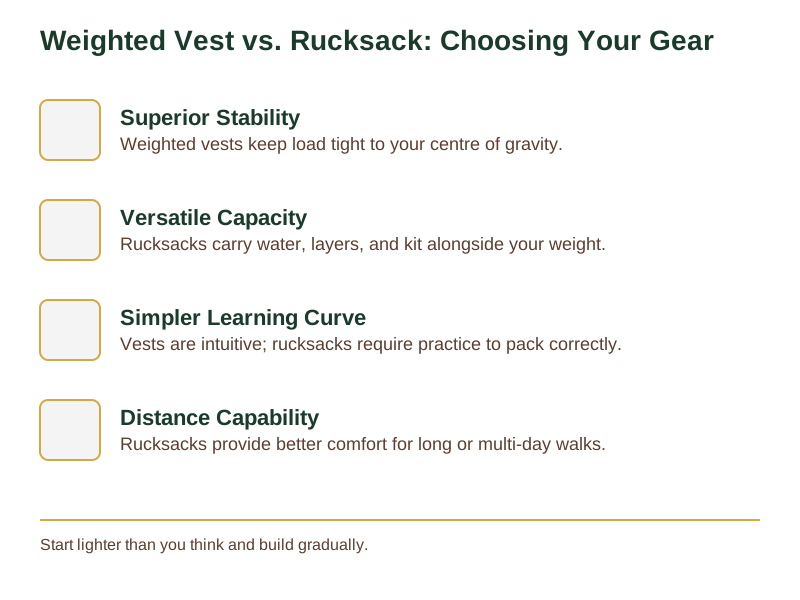
| Feature | Weighted Vest | Rucksack |
|---|---|---|
| Stability | High (load close to centre of mass) | Variable (depends on packing) |
| Capacity | Weight only | Water, food, layers, kit |
| Learning Curve | Low | Moderate (requires packing technique) |
| Best For | Shorter walks, beginners | Long distances, multi-day trips |
Start Cheap, Upgrade Later
The short version: start with a vest for stability and ease of use, and for the lower price of admission. If you progress to longer distances or want to carry more than a phone and a water bottle, invest in a proper rucksack with a hip belt. The gear is just a tool—consistency is what actually builds results.
The checklist pulls all of this together in a side-by-side comparison so you can make the final call with confidence before spending anything: Get the Free First Ruck Gear Checklist.
If your situation doesn’t quite fit the general guidance—specific terrain, a health consideration, a particular goal—get in touch and we’ll work through what’s actually relevant to you.
For a complete overview of getting started, see our guide How to Start Rucking in the UK: The Honest Beginner’s Guide. Background reading for the claims above: the NHS on general exercise guidance, the Royal Osteoporosis Society on weight-bearing exercise and bone health, and Decathlon for current rucksack and vest pricing.