How to Choose a UK Rucking Event (Without the Gear Stress)
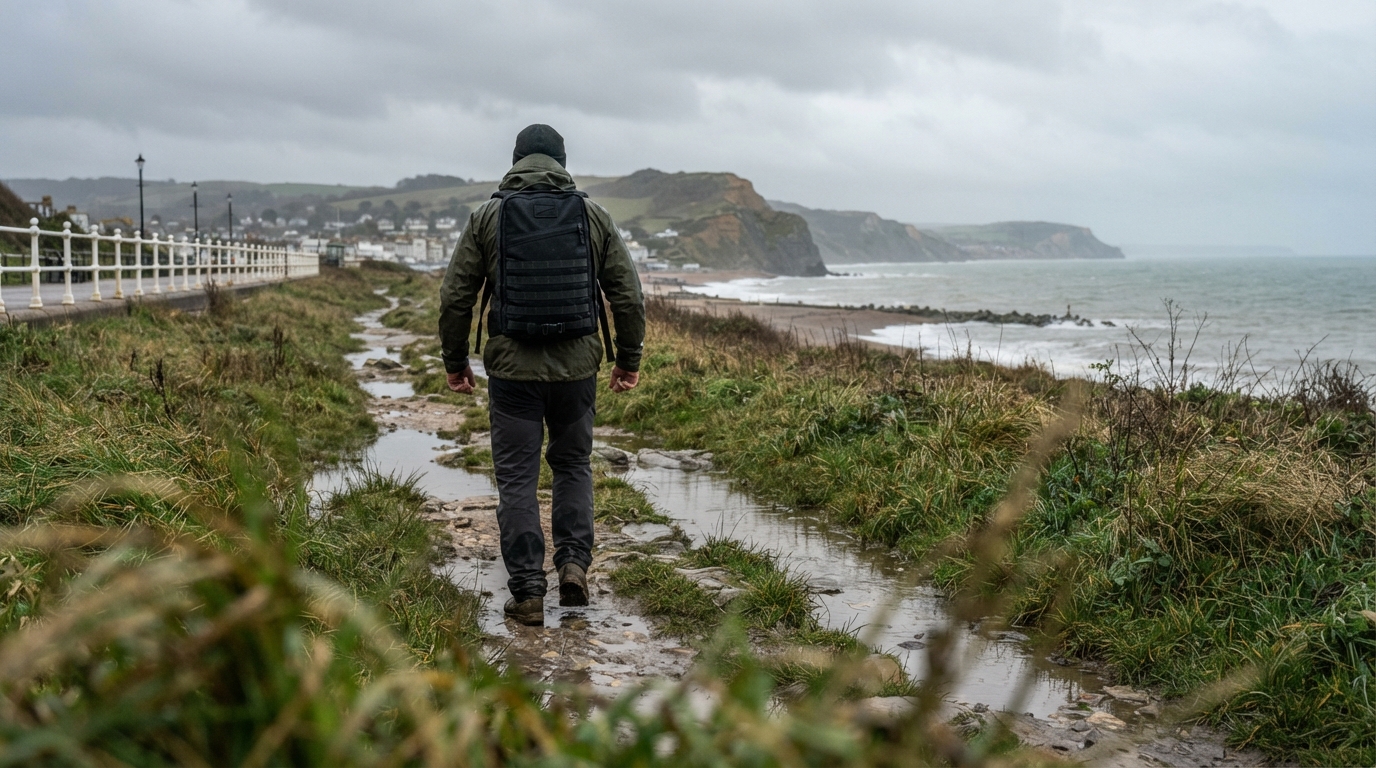
Looking for UK rucking events often leads to a wall of confusing terminology. Superhuman Games, GORUCK Clubs, ruck challenges, loaded marches—it is rarely clear how they differ. You see a brand, an event, and a community group, and they all appear to be doing the same thing, yet they aren’t. You end up Googling in circles.
That is the problem to solve before spending money on kit. This article maps the UK rucking landscape: what GORUCK is versus what it does at events, who runs the major UK series, and where local clubs fit. By the end, you will know which door to walk through for your situation and whether you need to buy anything before you get there.
The Three Paths to Rucking in the UK
Before choosing anything, separate three things that get lumped together constantly: event hosts, equipment partners, and community groups. They are not the same thing, and conflating them causes most of the confusion.
Event hosts run the races and challenges—they set the course, the rules, the timing, and the category formats. Superhuman Sports is the main UK example, running the Superhuman Games and the Epic Trail Series.
Equipment partners supply the gear for those events. GORUCK has been an equipment partner for major UK ruck-event series, supplying packs and sandbags for the workouts at some sanctioned events. This means for major sanctioned events, you don’t necessarily need to own your own pack; the equipment is provided.
Community groups—primarily GORUCK Clubs—are the social layer. They meet regularly, organise local routes, and welcome people of all fitness levels. They are not races or branded events. They are simply people walking with weighted packs on a regular basis.
The practical implication is simple: these three things answer different questions. If you want to compete in a structured challenge, look at an event host. If you want reliable kit for that event, look at the equipment partner. If you want to train regularly and meet people, look at a community group.
| Category | Primary Focus | Example | Cost | Kit Provided |
|---|---|---|---|---|
| Event Host | Structured challenges | Epic Trail Series | From £25 (solo entries) to £84+ pp (team formats) | Often bundled with entry |
| Equipment Partner | Gear supply | GORUCK | Varies | Yes for sanctioned events |
| Community Group | Social training | GORUCK Clubs | Free | No (bring your own) |
| Local Groups | Informal meetups | London Rucking Yomping & Tabbing Crew | Free | No (bring your own) |

Before you choose your event, make sure your gear is up to the task. Grab the Free First Ruck Gear Checklist—it covers the essentials without over-engineering your setup.
GORUCK Events and Partnerships: The One-Off Choice
Here is the thing about GORUCK that most UK beginners miss: GORUCK is primarily a brand and equipment partner, not an event host. They do not run every rucking event in the UK; they partner with organisers to supply the gear.
For a one-off, high-stakes event, this distinction matters because GORUCK is the default. Where GORUCK is the equipment partner for a sanctioned event, packs and sandbags are typically supplied as part of the event kit. You turn up, use the equipment, and do the workout. There is no guessing whether your own pack meets the requirements or panic about whether your plate carrier is compatible.
This is the mechanism that makes GORUCK the default for a first major event: when the equipment partner is the same brand you have been training in, there is one less variable to manage under pressure. The weak point is cost—GORUCK kit is not cheap, and if you are not already training in their gear, the one-off event premium does not always justify itself. But for a structured challenge where gear compatibility affects your performance, that is a different calculation.
Owners who have used both their own packs and event-supplied GORUCK equipment report that GORUCK’s rucking packs sit close and high on the back, keeping the plate stable during dynamic movement—useful when an event involves running or timed efforts. The trade-off is that purpose-built rucking packs like the Rucker (paid link) are not ideal as everyday backpacks; they are optimised for load carry, not general storage. If you are buying kit specifically for events and training, that is a feature. If you want one bag for everything, it is a limitation worth knowing before you spend.
View the Rucker on Amazon → (paid link)
Superhuman Sports and Other Event Organisers
Superhuman Sports is the main UK event organiser in this space, with a credible series built over the past decade. They have built a genuine track record over several years running outdoor functional fitness events in this format. Their flagship is the Superhuman Games, alongside the Epic Trail Series which covers three terrain types across the UK.
UK ruck-trail events have shifted format recently. Rather than letting entrants use their own packs freely, some now bundle GORUCK equipment with entry. This solves the equipment compatibility problem for the organiser but means you are moving in event kit rather than your own tested setup. For a first event, this is helpful—it removes one decision from a high-pressure day. For regular competitors, it raises the question of whether to train in the same kit you will event in.
UK ruck-category pricing varies more by format than people expect. Solo entries—the Pro Ruck and Novice Ruck categories at the Epic Trail Series, for instance—currently start from around £25–£30 depending on location and date. Team-based formats such as the Superhuman Games cost considerably more, from roughly £84 per person upwards. Either way, that figure is the event entry itself—travel, accommodation, and extra kit are separate. Team formats typically carry constraints like time limits, weight categories, or navigation elements. UK participants consistently report that the atmosphere is less about nonstop mileage and more about sustained effort with waiting periods—the challenge is demanding, but it is not a conventional race.
Force Fitness notes that these events are typically on challenging terrain with real demands: time pressure, load requirements, and navigation. The practical advice for a first-timer is straightforward: start with shorter local routes, build your load gradually, and check the event rules before you commit. The terrain and format information in the event listing exists for a reason—use it.
Local Rucking Groups: The Everyday Choice
If big events are the peak of the mountain, local clubs are the regular Tuesday evening that builds the fitness to get there. GORUCK Clubs exist globally, and the model is explicitly social: people of all shapes, sizes, and backgrounds meeting to walk with weighted packs.
The appeal for most beginners is the pace. Events are high-stakes by design; clubs are designed to be sustainable. The community aspect is real—regular attendees report that the group culture is supportive rather than competitive, and social accountability makes a difference to consistency. For someone who has bought a pack and plates and knows they should use them, a weekly club is often the bridge between having the kit and building the habit.
Finding a club is relatively straightforward. The GORUCK website maintains an official club directory, and there are active Facebook groups for specific UK cities—the London Rucking Yomping & Tabbing Crew is one example that has been running for years. Some clubs are structured; others are essentially a weekly meetup with a WhatsApp group. The variation means it is worth a quick message to the organiser before turning up—most are welcoming to beginners but appreciate a heads-up about experience level and current kit.
The honest trade-off is that clubs do not provide the structured challenge of an event. If your goal is to compete, test yourself under pressure, or earn a specific category finish, a club will not scratch that itch. But if you want to build rucking into your routine without the admin of entering events, checking kit requirements, and arranging travel, they are the most cost-effective entry point—the kit is yours to buy once, and the club itself is free to join.
What to Expect at a UK Rucking Event
The picture most people have of a rucking event is a continuous march across miles of terrain. That is not wrong, but it misses the texture. UK ruck-trail events tend to be more stop-start—sustained effort, team challenges, and waiting periods between sections. The demand is real, but it is sustained rather than explosive. You are moving weight over distance under time pressure, not sprinting.
📺 Watch: Packing for Bronze D of E — Experience Expeditions
The practical issues that trip people up are almost always kit-related. Force Fitness and other UK training guides consistently flag the same problems: pack fit that was not tested before the event, boots that were not broken in, or socks that do not manage moisture well under load. None of these are gear problems you cannot solve—they are preparation problems. The fix is testing everything in training before you test it under event pressure.
A few things worth checking before any event: ensure your pack weight feels stable at your intended load, your footwear has enough grip for the likely terrain, and your socks do not create hotspots after 30 minutes of movement. If something rubs unloaded, it will rub worse with 15 or 20kg added—the extra weight changes your gait slightly, altering where pressure builds.
The other thing UK beginners sometimes underestimate is weather. Rucking is a year-round activity in Britain. Rain, wind, and cold change the event significantly—kit that works in dry conditions can fail in wet ones, and a route manageable in summer can be genuinely demanding in January. Most event listings include terrain information specifically because conditions vary, and checking the forecast before you travel is basic event prep, not paranoia.
Frequently Asked Questions
Do I need to buy a GORUCK pack to do a rucking event?
Not for major sanctioned events. Where GORUCK is the equipment partner for a sanctioned event, packs and sandbags are typically supplied as part of the event kit. For smaller events or local club sessions, you can use your own pack as long as it meets the event requirements—check the listing before you commit. If you are planning to train regularly outside events, investing in a purpose-built rucking pack makes sense; if you are doing a one-off event, the supplied kit removes the need to buy anything beforehand.
How much does a UK rucking event cost?
It depends heavily on the format. Solo ruck entries at events like the Epic Trail Series currently start from around £25–£30. Team-based formats such as the Superhuman Games cost more, from roughly £84 per person upwards. Either way, that’s the event fee only—transport, accommodation if required, food, and any additional kit are separate. Some events bundle the pack with entry; others require you to bring or hire your own. Check the specific event listing for what is included before budgeting.
Are rucking events suitable for beginners?
Yes, in most cases. Many events have open or novice categories, and local clubs explicitly welcome people of all fitness levels. The practical advice for beginners is consistent across UK training guides: start with shorter routes, build load gradually, and do not attempt a full-category event before testing your kit and fitness in training. If you are unsure about your current readiness, a local club session is a lower-pressure way to find out.
The Door You Actually Walk Through
Strip away the three labels and one line decides the gear question: are you doing this once, or are you doing this regularly? Cross that line and the calculus flips. For a structured one-off challenge, GORUCK’s role as equipment partner at events like the Epic Trail Series and Superhuman Games (run by Superhuman Sports) means the kit-compatibility question is already answered—you don’t need to own anything before you turn up. The moment you’re rucking most weeks rather than once a year, that logic reverses: a purpose-built pack from a brand like GORUCK stops being an event-day convenience and starts being the thing you actually train in. GORUCK Clubs sit in between—free, social, no admin—and are an honest way to find out which side of that line you’re on before you commit to either.
📺 Watch: Rucking Foot Care — Grunt Proof
Whatever path you choose, the gear question is solvable. You do not need to buy everything before you start. Grab the Free First Ruck Gear Checklist to know what is worth investing in before your first event versus what can wait—sorted by priority, not by brand. For the wider terrain, weather and event picture, our Rucking in the UK: Terrain, Weather, and Event Guide covers what this article doesn’t, and Force Fitness is a useful further read on UK event terrain and prep.